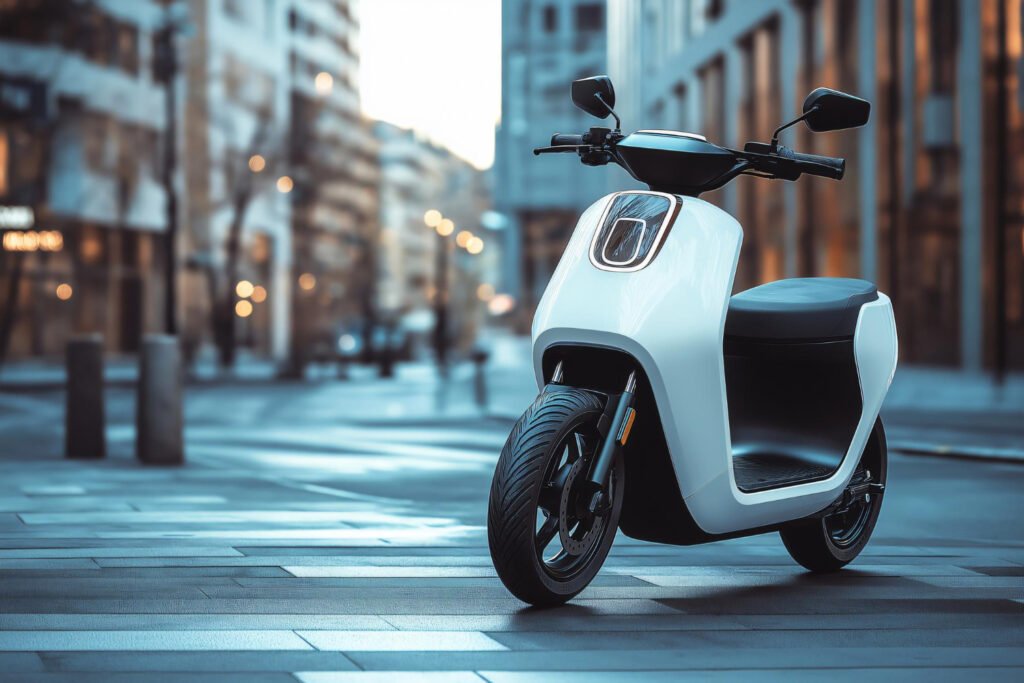
India’s roads are changing. With rising fuel prices, increasing pollution, and growing awareness about sustainability, electric vehicles (EVs) are no longer just a trend—they are becoming the future of mobility in India. From electric scooters and bikes to electric cars and buses, EV adoption is accelerating faster than ever.
Here’s why electric vehicles are set to dominate Indian roads in the coming years.
1. Rising Fuel Costs Are Pushing Change
Petrol and diesel prices in India continue to fluctuate and remain a major burden for daily commuters. Electric vehicles offer a much cheaper alternative, with running costs that are significantly lower than fuel-powered vehicles.
Charging an EV costs only a fraction of what you spend on fuel, making it an economical choice for students, office-goers, and delivery riders alike.
2. Government Support & EV-Friendly Policies
The Indian government is actively promoting electric mobility through initiatives like subsidies, tax benefits, and reduced registration charges. Policies under programs such as FAME (Faster Adoption and Manufacturing of Electric Vehicles) have made EVs more affordable and accessible.
Many states also offer additional incentives, encouraging people to switch to electric vehicles.
3. Lower Pollution & Cleaner Cities
Air pollution is a serious concern in Indian cities. Traditional petrol and diesel vehicles are major contributors to harmful emissions. Electric vehicles produce zero tailpipe emissions, helping reduce air pollution and improve public health.
As EV adoption increases, Indian cities can move towards cleaner air and a healthier environment.
4. Perfect for Indian Driving Conditions
Electric two-wheelers, especially scooters and bikes, are ideal for Indian roads. They are easy to ride, handle traffic smoothly, and require less maintenance. Instant torque makes them perfect for stop-and-go city traffic.
EVs are also quieter, reducing noise pollution on busy roads.
5. Low Maintenance & Long-Term Savings
Electric vehicles have fewer moving parts compared to internal combustion engines. This means:
- No engine oil changes
- No clutch or gearbox issues
- Lower servicing costs
Over time, EV owners save a significant amount on maintenance and repairs.
6. Expanding Charging Infrastructure
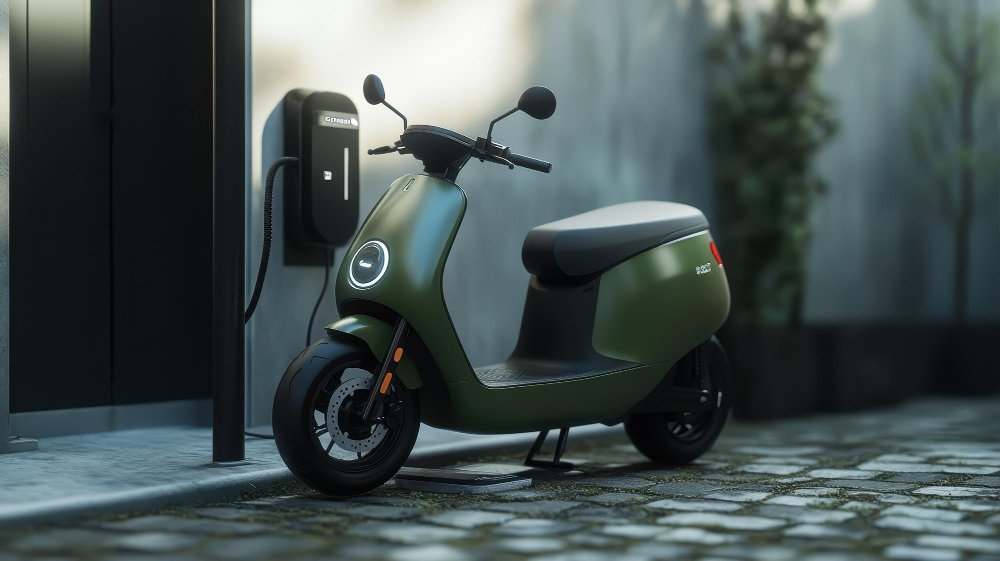
India’s EV charging network is growing rapidly. Public charging stations are being installed in cities, highways, malls, and residential complexes. Home charging options make EV ownership even more convenient.
With better infrastructure, range anxiety is becoming less of a concern.
7. Technological Advancements in EVs
Modern electric vehicles now offer:
- Better battery life
- Faster charging
- Smart features like mobile app connectivity
- Improved safety and performance
Continuous innovation is making EVs more reliable and user-friendly.
8. A Sustainable Future for the Next Generation
Switching to electric vehicles is not just about saving money—it’s about building a sustainable future. EVs reduce dependence on fossil fuels and help India move towards its clean energy goals.
By choosing electric, we contribute to a greener and more responsible transportation system.
Conclusion
Electric vehicles are no longer the future—they are the present. With strong government support, lower running costs, improved technology, and growing awareness, EVs are becoming the smartest choice for Indian roads.
Whether it’s for daily commuting or long-term savings, electric vehicles offer a cleaner, smarter, and more sustainable way forward.